

What is Avuncular DNA Testing
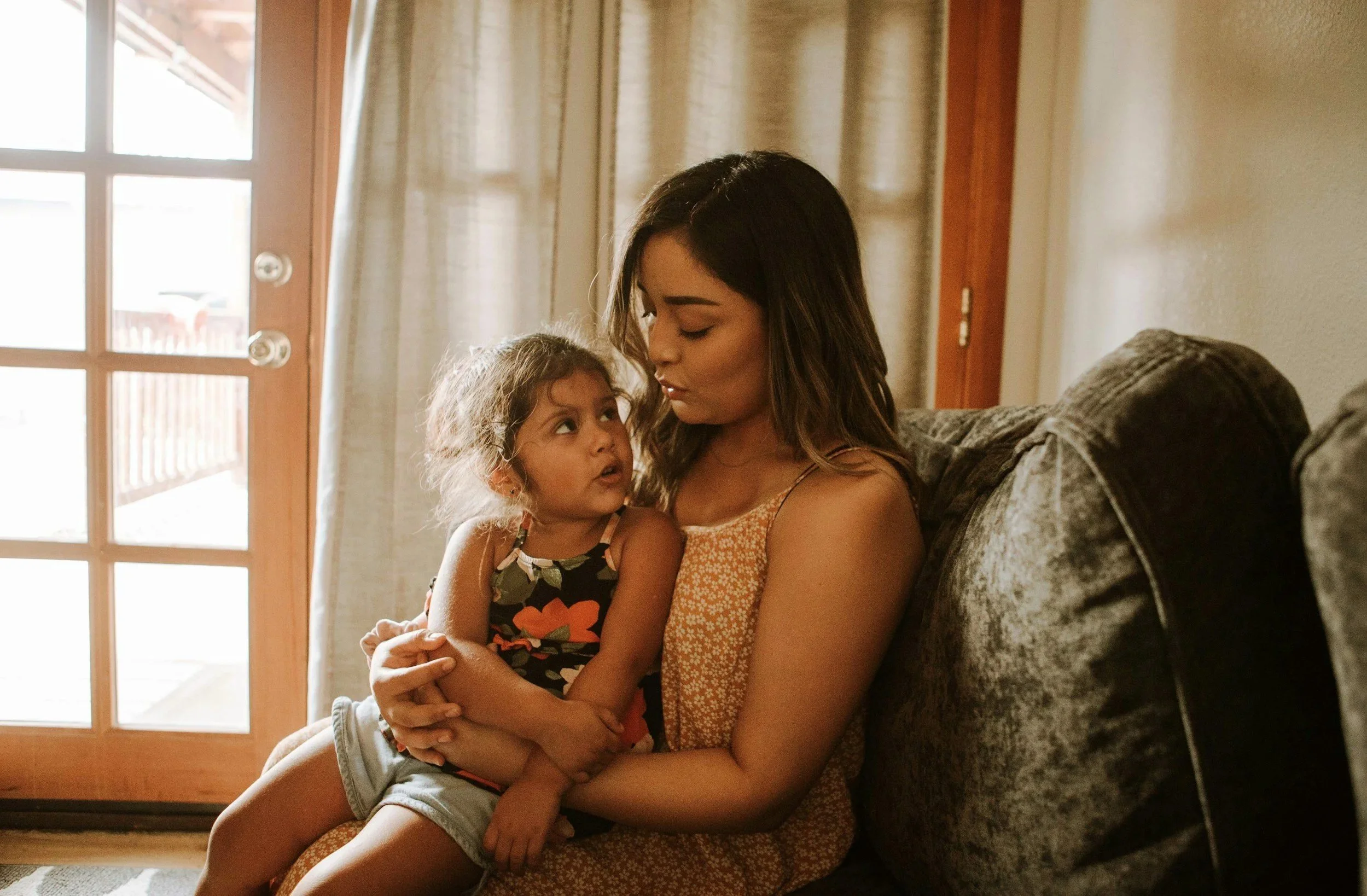
How Aunt and Uncle DNA Tests Work
Avuncular DNA testing is a scientific method used to investigate whether an individual is biologically related to a possible aunt or uncle. It is particularly useful when a biological parent is unavailable for direct paternity or maternity testing.
By comparing genetic markers, a laboratory can evaluate whether the DNA evidence supports a proposed biological aunt–niece, aunt–nephew, uncle–niece, or uncle–nephew relationship.
At DNA Test Answers, we offer at-home and discreet forensic avuncular DNA testing, along with assistance selecting the appropriate relationship test for your circumstances.
Unlike direct paternity testing, avuncular testing is an indirect relationship analysis. Results are based on statistical evidence and may support a proposed relationship, fail to support it, or remain inconclusive.
Understanding how the process works can help you choose the right test and interpret your results.
What Is an Avuncular DNA Test?
An avuncular DNA test compares genetic markers between an individual and someone believed to be their biological aunt or uncle.
The term avuncular refers to the relationship between an aunt or uncle and their niece or nephew.
For example, if a child's alleged biological father is unavailable, the father's biological brother or sister may be able to participate in testing.
The laboratory then evaluates whether the genetic evidence is consistent with the proposed family relationship.
An avuncular test can investigate relationships involving:
A biological aunt and niece
A biological aunt and nephew
A biological uncle and niece
A biological uncle and nephew
The test is generally most informative when the participating aunt or uncle is a full biological sibling of the parent whose relationship is being investigated.
If the aunt or uncle is a half sibling of that parent, the laboratory needs to know because the expected genetic relationship is different.
How Much DNA Do Aunts, Uncles, Nieces, and Nephews Share?
A biological aunt or uncle who is a full sibling of the child's parent shares approximately 25% of their autosomal DNA with their biological niece or nephew, on average.
If the aunt or uncle is a half sibling of the child's parent, the expected amount of shared autosomal DNA is approximately 12.5%, on average.
These percentages describe average genetic relationships. The actual amount of DNA shared varies between individuals.
Standard laboratory avuncular tests do not simply measure a percentage of shared DNA. Instead, they examine selected genetic markers and use statistical calculations to evaluate the proposed relationship.
Because different biological relationships can produce overlapping genetic patterns, avuncular testing may not always provide a definitive conclusion.
When Is Avuncular DNA Testing Used?
Avuncular testing is often considered when direct testing of a biological parent is unavailable or impractical.
When the Alleged Biological Father Is Unavailable
One of the most common reasons for avuncular testing is to investigate possible paternity when the alleged father cannot participate.
For example, a child may be tested with the alleged father's biological sister or brother.
The resulting analysis can provide evidence relevant to the proposed paternal family relationship.
However, it does not directly establish paternity in the same way as testing the alleged father himself.
If the alleged father is available, a direct Home Paternity DNA Test is generally the preferable option.
You can learn more in our guide, What Is Paternity DNA Testing?.
When the Alleged Biological Mother Is Unavailable
Avuncular testing may also help investigate a maternal relationship when the alleged biological mother cannot participate.
In this situation, a biological brother or sister of the alleged mother may be tested with the child.
When Investigating Family Connections
Avuncular testing can be useful in cases involving adoption, family separation, unknown parentage, or newly discovered biological relatives.
When Legal or Immigration Documentation Is Needed
Avuncular testing may be considered for certain legal, inheritance, or immigration matters when direct parent-child testing is unavailable.
These cases may require identity verification, documented chain-of-custody procedures, and approval of the proposed testing approach by the relevant authority.
Contact DNA Test Answers before collecting samples if the results are intended for official use.
How Does Avuncular DNA Testing Work?
The process generally involves three stages: collecting DNA samples, laboratory analysis, and interpretation of the results.
Step 1: DNA Sample Collection
For standard at-home avuncular testing, DNA samples are collected using oral cheek swabs.
Each participant gently rubs a swab against the inside of the cheek to collect cells containing DNA.
The process is:
Painless and non-invasive
Suitable for adults and children
Easy to perform privately at home
Usually completed in just a few minutes
A typical avuncular test involves the potential aunt or uncle and the niece or nephew.
Additional family members may be included when appropriate.
For detailed collection instructions, visit our DNA Sample Collection Guide.
Step 2: Laboratory DNA Analysis
Once the samples arrive at the laboratory, qualified personnel process them using established genetic testing methods.
The laboratory generally:
Extracts DNA from the submitted samples.
Analyzes selected genetic markers.
Develops genetic profiles for the participants.
Compares the genetic findings under the proposed relationship hypotheses.
Calculates statistical values describing the strength of the evidence.
DNA Test Answers works with accredited laboratory partners that perform relationship DNA testing using established methods and quality-control procedures.
Step 3: Receiving Your Results
The laboratory prepares a report describing the genetic findings and the statistical evidence supporting or opposing the proposed relationship.
Unlike direct paternity testing, avuncular testing may not produce a definitive answer in every case.
Results may be interpreted as:
Relationship Supported
The genetic evidence favors the proposed biological aunt/uncle relationship over the alternative hypothesis.
Relationship Not Supported
The genetic evidence does not favor the proposed relationship.
Inconclusive
The available genetic evidence is insufficient to distinguish clearly between the relationship hypotheses.
An inconclusive result does not automatically mean the individuals are unrelated.
Additional family members or a different testing strategy may improve the strength of the analysis.





What Is an Avuncular Index?
An Avuncular Index is a statistical likelihood ratio used to evaluate the genetic evidence supporting a proposed aunt/uncle relationship.
The laboratory compares how likely the observed genetic results would be if the individuals have the proposed relationship against how likely those findings would be under an alternative relationship hypothesis.
A higher index favors the proposed relationship, while a lower index favors the alternative.
However, the index must be interpreted in the context of the family structure, the tested individuals, and the hypotheses being compared.
There is no single universal index threshold that guarantees an avuncular relationship in every case.
How Accurate Is Avuncular DNA Testing?
Avuncular DNA testing can provide valuable scientific evidence, but its statistical strength varies from case to case.
A direct paternity test evaluates a parent-child relationship. An avuncular test evaluates a more distant biological relationship, making the interpretation more complex.
The strength of the results depends on several factors:
Whether the aunt or uncle is a full or half sibling of the alleged parent
The number and informativeness of genetic markers analyzed
Whether additional biological relatives participate
The quality and completeness of the DNA profiles
The relationship hypotheses used in the analysis
Some avuncular tests produce strong evidence supporting a biological relationship. Others may remain inconclusive even when the individuals are related.
For this reason, avuncular DNA testing should not be advertised as universally 99.99% accurate.
At DNA Test Answers, we recommend providing accurate information about the family relationships involved so the appropriate analysis can be selected.
Does It Matter Whether You Test an Aunt or an Uncle?
Both biological aunts and uncles can participate in autosomal avuncular DNA testing.
The most important consideration is generally how the participating relative is biologically connected to the alleged parent.
For example, a full biological sister and a full biological brother of the alleged father can each provide useful genetic evidence.
However, the availability of additional relatives, the specific family structure, and the type of genetic analysis may influence which participant is most informative.
In some paternal-line cases involving males, a separate Y-STR analysis may also be worth discussing. Y-STR testing examines paternal lineage and cannot, by itself, uniquely establish a specific father-child or uncle-nephew relationship.
Our team can help you understand which testing approach may be appropriate.
Can You Perform an Avuncular DNA Test Without the Parents?
Yes. Avuncular testing is specifically useful when one or both biological parents are unavailable.
A standard test can often be performed using samples from the potential aunt or uncle and the niece or nephew.
However, additional family members can sometimes improve the analysis.
For example, including the child's known biological mother may help distinguish maternal inheritance from the genetic evidence relevant to the proposed paternal relationship.
The benefit of an additional sample depends on the family structure.
If several relatives are available, DNA Test Answers can help you consider the most informative testing arrangement before ordering.
What Types of Avuncular DNA Testing Are Available?
DNA Test Answers offers different approaches depending on whether participants can provide conventional oral swabs or whether non-standard samples are needed.
At-Home Avuncular DNA Testing
An At-Home Avuncular DNA Test is designed for individuals investigating a possible biological aunt or uncle relationship for personal knowledge.
Participants collect oral swab samples privately and submit them to the laboratory for analysis.
This option is appropriate when the individuals are available to participate and legal documentation is not required.
Best for: Personal reassurance, investigating biological family connections, adoption-related questions, and situations where a parent is unavailable.
Explore Our Home Aunt & Uncle DNA Test
Discreet Forensic Avuncular DNA Testing
Sometimes a potential aunt, uncle, niece, or nephew cannot provide a conventional oral swab.
Our Forensic Avuncular DNA Test allows the laboratory to attempt DNA recovery from suitable personal items or other non-standard samples.
Potential sample types include:
Used toothbrushes
Hair with attached roots
Used razors
Certain personal clothing items
Other items that may contain recoverable human DNA
A used toothbrush is often a strong option because it may contain a concentrated source of DNA from its regular user.
However, non-standard samples present additional challenges.
DNA may be insufficient, degraded, or mixed with DNA from other individuals.
The laboratory must first develop a suitable DNA profile before a meaningful avuncular relationship analysis can be performed.
Successful DNA recovery from a non-standard sample cannot be guaranteed.
Forensic avuncular testing using unverified personal items is generally intended for informational purposes rather than legal proceedings.
Best for: Situations where conventional oral swab collection is unavailable and testing using a personal item may be appropriate.
Explore Our Forensic Aunt & Uncle DNA Test
Legal Avuncular DNA Testing
If avuncular testing is needed for court, inheritance, immigration, or another official purpose, verified collection procedures may be required.
Legal testing generally involves identity verification, documented sample collection, and secure chain-of-custody procedures.
The acceptance of avuncular DNA evidence depends on the court or agency involved.
If legal documentation is required, contact DNA Test Answers before ordering or collecting samples.
Can You Create Your Own Avuncular DNA Collection Kit?
Yes. For many standard at-home avuncular testing situations, you can prepare a collection kit using suitable materials obtained locally.
This may be useful when participants live in different locations, international shipping is involved, or you want to begin collection without waiting for a mailed kit.
A self-prepared collection kit may:
Reduce shipping delays
Allow more flexible collection
Help with international sample submissions
Provide additional privacy
Proper sample collection, drying, labeling, and packaging are important.
Our Create Your Own DNA Collection Kit Guide explains how to prepare and submit oral swab samples.
A self-prepared kit does not replace the verified collection process required for legal testing.
How Long Does Avuncular DNA Testing Take?
Standard at-home avuncular DNA testing is generally completed within 2–3 business days after all required samples have been received by the laboratory and placed into testing.
Business days are Monday through Friday, excluding applicable holidays.
Additional time may be required for non-standard sample DNA recovery, further laboratory analysis, or cases requiring additional participants.
Shipping and sample collection times are separate from laboratory processing times.
What If an Avuncular DNA Test Is Inconclusive?
An inconclusive result means the genetic evidence does not provide sufficient statistical support to clearly distinguish between the proposed relationship and the alternative hypothesis.
It does not automatically mean the individuals are unrelated.
Depending on the circumstances, additional testing may help.
Possible options include:
Adding the child's known biological mother
Including another biological aunt or uncle
Testing a known biological grandparent
Testing the alleged parent directly, if available
Considering another relationship DNA testing method
The best option depends on which family members are available and the relationship being investigated.
DNA Test Answers can help customers explore available options when further testing may be useful.
Avuncular DNA Testing vs. Sibling DNA Testing
Avuncular and sibling DNA tests are both indirect relationship tests, but they evaluate different family relationships.
Avuncular DNA Testing investigates whether an individual is biologically related to a potential aunt or uncle.
Sibling DNA Testing investigates whether two individuals share one or both biological parents.
If the alleged biological father is unavailable, either approach may provide useful evidence depending on which relatives can participate.
For example:
If the alleged father's biological brother is available, avuncular testing may be appropriate.
If the alleged father's known biological child is available, sibling testing may be appropriate.
If the alleged father himself is available, direct paternity testing is generally preferable.
Learn more in our guide, What Is Sibling DNA Testing?.
Selecting the appropriate relationship test is important because each test evaluates different genetic hypotheses.
Is Avuncular DNA Testing Confidential?
DNA Test Answers prioritizes customer confidentiality throughout the testing process.
Personal information, submitted samples, and laboratory results are handled using established privacy and security procedures.
Results are delivered confidentially to the authorized purchaser, and we do not sell customers' personal or genetic information.
For customers who need additional discretion, we can also discuss appropriate collection and submission options.
Why Choose DNA Test Answers for Avuncular DNA Testing?
Avuncular DNA testing involves more than comparing two genetic profiles. The correct family relationship must be evaluated, suitable samples must be obtained, and statistical findings must be interpreted appropriately.
DNA Test Answers offers:
At-home and forensic testing options: Standard oral swab collection and specialized non-standard sample testing when appropriate.
Accredited laboratory analysis: Relationship testing performed through laboratory partners operating under recognized accreditation and quality standards.
Flexible collection options: Traditional collection kits and create-your-own-kit instructions for eligible at-home testing.
Clear results reporting: Laboratory reports explaining the genetic findings and their statistical significance.
Confidential service: Private handling of sensitive family information and results.
Responsive customer assistance: Guidance on selecting the right test and determining whether additional family members may improve the analysis.
Our goal is to help customers understand which testing approach fits their situation and what the resulting genetic evidence can establish.
Frequently Asked Questions About Avuncular DNA Testing
Can an aunt or uncle DNA test establish paternity?
An avuncular DNA test can provide indirect evidence relevant to a proposed biological parent-child relationship. However, it does not directly establish paternity in the same way as testing the alleged father.
Is an avuncular DNA test as accurate as a paternity test?
Not necessarily. Direct paternity testing generally provides stronger statistical evidence. Avuncular testing evaluates a more distant relationship and may produce inconclusive results.
Can I test my father's brother to determine whether he is my uncle?
Yes. An avuncular DNA test can evaluate whether the genetic evidence supports a biological uncle-nephew or uncle-niece relationship.
Can an avuncular test be performed without either parent?
Yes. A standard avuncular test can often be performed using samples from the potential aunt or uncle and the niece or nephew. Including a known biological parent may improve the analysis.
Does it matter whether the aunt or uncle is a full or half sibling of the alleged parent?
Yes. A full biological aunt or uncle and a half biological aunt or uncle have different expected genetic relationships to the niece or nephew. The laboratory should be informed of the correct family structure.
Can a toothbrush be used for avuncular DNA testing?
Yes. A used toothbrush may provide recoverable DNA for forensic avuncular testing. However, the laboratory must first develop a suitable DNA profile, and recovery is not guaranteed.
Can avuncular DNA testing be used in court?
Legal avuncular testing may be used in certain proceedings when appropriate identity verification and chain-of-custody procedures are followed. Acceptance depends on the relevant court or agency.
What happens if an avuncular DNA test is inconclusive?
Additional biological relatives, direct parent-child testing, or a different relationship analysis may help strengthen the evidence. The appropriate next step depends on the family situation.
Ready to Get Started With Avuncular DNA Testing?
Whether you're investigating a possible aunt or uncle relationship, exploring a biological family connection, or considering discreet testing using non-standard samples, DNA Test Answers can help you choose the appropriate service.
Explore our testing options:
Home Aunt & Uncle DNA Testing — For private testing using oral cheek swabs.
Forensic Aunt & Uncle DNA Testing — For testing using suitable personal items or other non-standard DNA samples.
Not sure which option is right for your situation? Contact DNA Test Answers for confidential assistance before ordering.


Home Paternity DNA Test includes:
Easy to follow instructions
Sterile buccal collection swabs per person
Sample envelopes for each person involved
Consent form
Prepaid return label to our laboratory. (USA Only)
Select from test options below: